


{ A global consumer goods company needed a new logo for their internal research department, a team focused on consumer growth. I was the sole graphic designer on the project, working under the creative direction of two directors over the course of four months to develop a mark that could embody focus, research, and omni-channel thinking. I worked on this under the creative directions of Kory Gruksha and Suzie Falk at Stories Bureau.}

{ The department's existing logo no longer reflected who they were or what they did. It lacked the scalability needed across different applications and didn't communicate the precision and focus the team wanted to project. The client came in with clear keywords: focus, research, target. My job was to translate those words into a mark. }
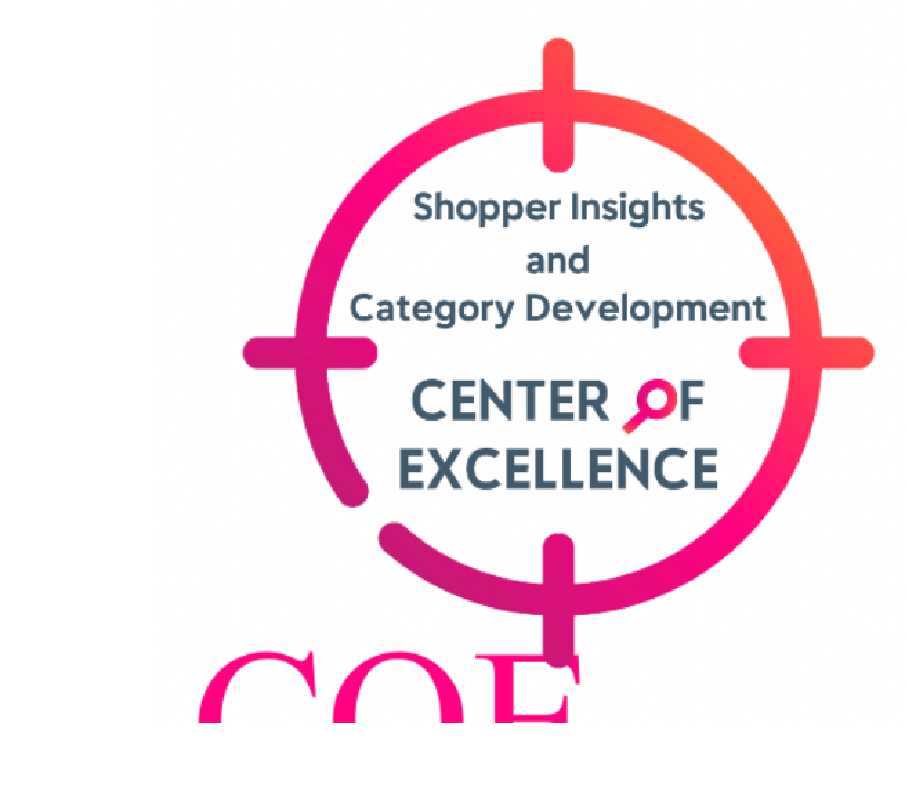
Original Logo
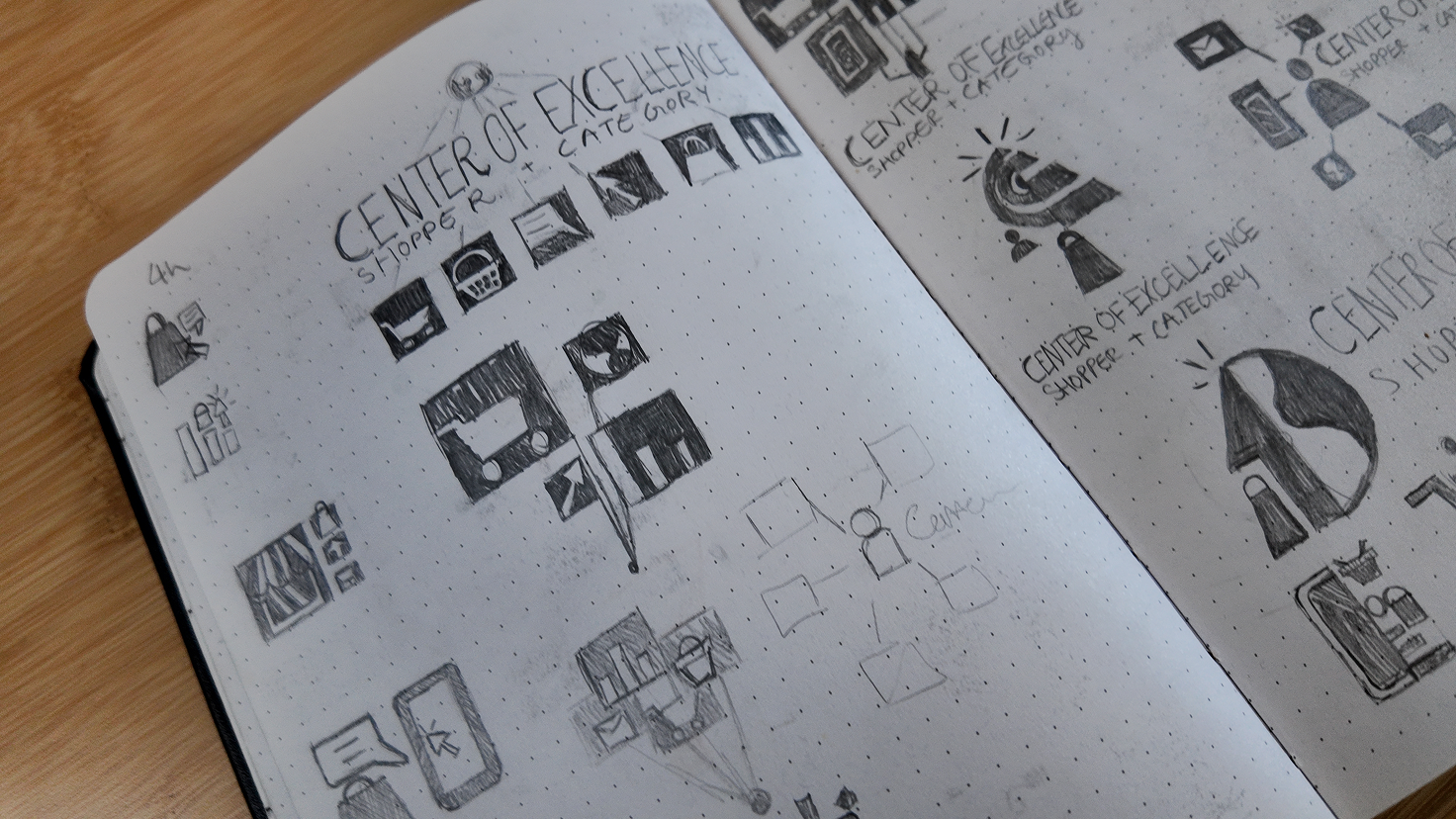
I started with moodboarding and sketching, generating as many directions as possible before narrowing down. The nature of logo design at this scale meant the process was iterative and sometimes nonlinear. Partway through, the client's priorities shifted. They began gravitating toward concepts that captured shopping, focus, and omni-channel thinking rather than the original research and target direction. That meant returning to the drawing board and starting the concepting process again with a new set of parameters.
What you see here is a snapshot of the directions explored across the project. Each concept was developed in response to feedback, with the brief evolving alongside the work.


The chosen logo was a concept I developed independently, outside the more heavily directed rounds of feedback. My creative directors approved it as one of the options to present to the client, and it was the direction the client selected.
It was a good reminder that the best ideas sometimes come from giving yourself space to think without constraint, even within a structured, feedback-driven process.

This was one of my first professional projects out of school and it taught me more than I expected. Working within a structured creative direction process, navigating shifting briefs, and learning to hold onto a concept long enough to advocate for it all became part of how I approach client work today. The four months were demanding, but watching the final mark get chosen validated something important: trusting your own design instincts, even when the process is pulling in multiple directions, is worth it.

